China's Oil Stockpiles Give It Outsized Sway Over Global Energy
China's massive oil reserves, built up over years, are reshaping global fuel markets and giving Beijing leverage over prices and supplies worldwide.
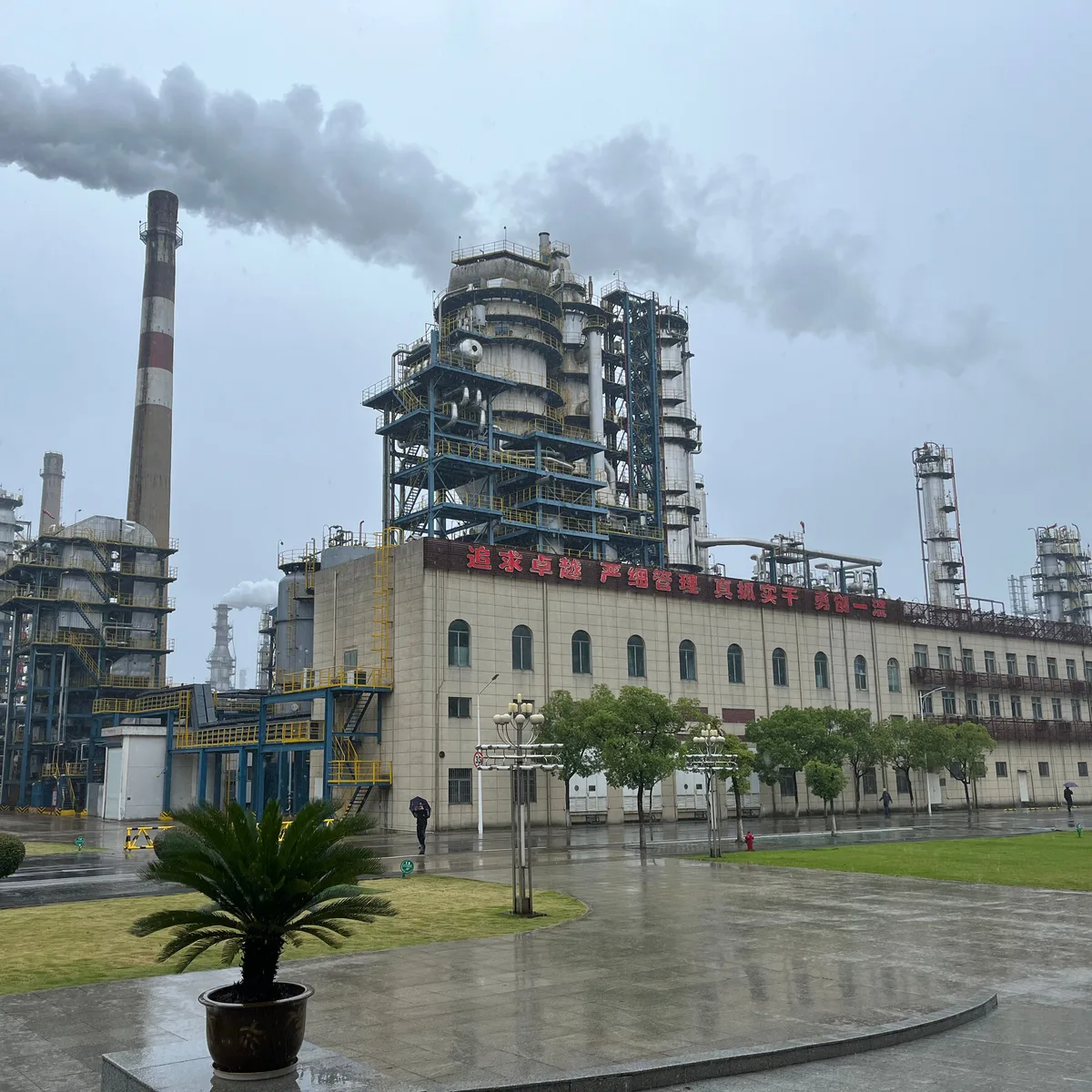
China's position as the world's largest oil importer has translated into a form of strategic energy power that is now coming into sharp focus, as its accumulated petroleum stockpiles demonstrate the country's capacity to influence global markets for jet fuel, gasoline and diesel.
The conflict involving Iran served as a revealing stress test, exposing the degree to which China's reserve holdings can ripple through international supply chains. Countries dependent on imported refined fuels found themselves navigating a landscape increasingly shaped by Beijing's decisions about when — and whether — to release or withhold its stored crude.
Read more 10-Year Treasury Yield Hits Highest Point Since 2007 →
China has long pursued a deliberate policy of building strategic petroleum reserves, a strategy that was once viewed primarily through the lens of domestic energy security. That calculus has shifted. Analysts now recognize that the sheer scale of China's stockpiles gives it a lever that extends well beyond its own borders, affecting the price signals that drive production and consumption decisions across importing nations.
The dynamic underscores a broader realignment in global energy geopolitics. As Western nations have sought to reduce fossil fuel dependence and diversify supply chains, China has quietly deepened its grip on the physical commodity markets that still underpin the world economy. Its ability to absorb or release large volumes of crude can dampen or amplify price swings in ways that rival the influence of traditional producers.
The episode raises pointed questions for policymakers in Europe, Asia and the Americas about the vulnerabilities embedded in their own energy strategies and what it means to compete — or cooperate — with a nation that has turned import volume into market leverage. Continue reading at NYT > Business.