10-Year Treasury Yield Hits Highest Point Since 2007
The benchmark U.S. borrowing rate climbed to levels unseen since 2007, driven by renewed fears over energy-fueled inflation.
The yield on the 10-year U.S. Treasury note surged to its highest level since 2007, a threshold that signals deepening unease across bond markets and broader financial circles. The move reflects mounting concern that persistent inflationary pressures — particularly those tied to energy costs — are far from resolved, forcing investors to reassess the risk of holding long-dated government debt.
Treasury yields rise when bond prices fall, a dynamic that typically emerges when investors demand greater compensation for holding debt amid uncertainty about inflation or future interest rates. The breach of this multi-decade high underscores how dramatically the borrowing landscape has shifted since the era of near-zero interest rates that defined much of the post-2008 financial environment.
Read more Bessent Defends Treasury Strategy as Bond Market Stumbles →
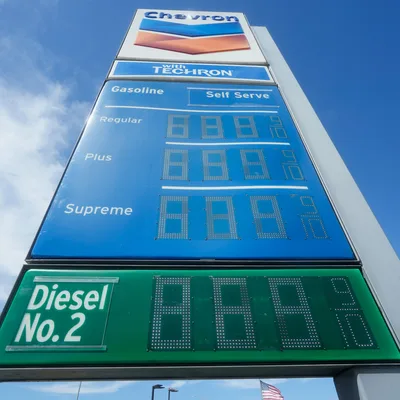
Energy prices have re-emerged as a central driver of inflationary anxiety, complicating the Federal Reserve's efforts to signal a path toward policy stability. When energy costs climb, they feed through to transportation, manufacturing, and consumer goods, making it harder for policymakers to declare victory over inflation — and harder for bond markets to settle.
The 10-year Treasury yield serves as a benchmark for a wide range of borrowing costs across the U.S. economy, including mortgage rates and corporate loans. A sustained rise at this level would translate into higher financing costs for households and businesses alike, potentially acting as a brake on economic activity even without additional action from the Federal Reserve.
Analysts will be watching closely to see whether yields stabilize or continue their ascent, as sustained pressure at these levels could ripple through equity valuations, housing affordability, and consumer confidence. Continue reading at NYT > Business.