Why US Interest Rates Remain Elevated: Key Factors Explained
Interest rates in the United States continue to hold at high levels, drawing scrutiny from policymakers and consumers alike.
Interest rates in the United States have remained stubbornly elevated, affecting everything from mortgage payments to business borrowing costs, and the reasons behind that persistence are multifaceted and debated across economic and political circles.
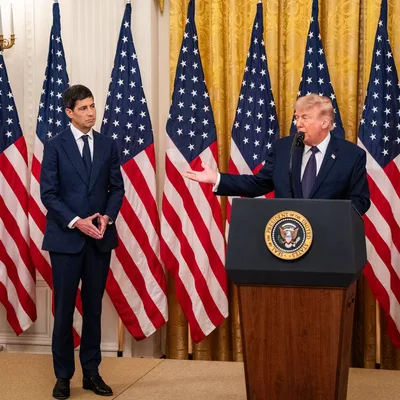
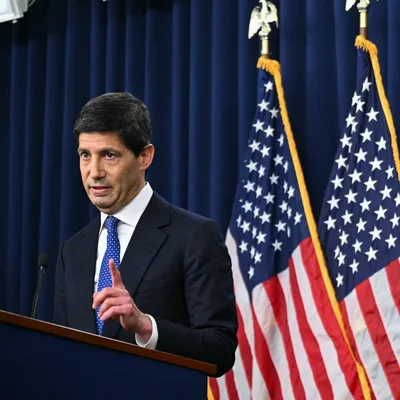
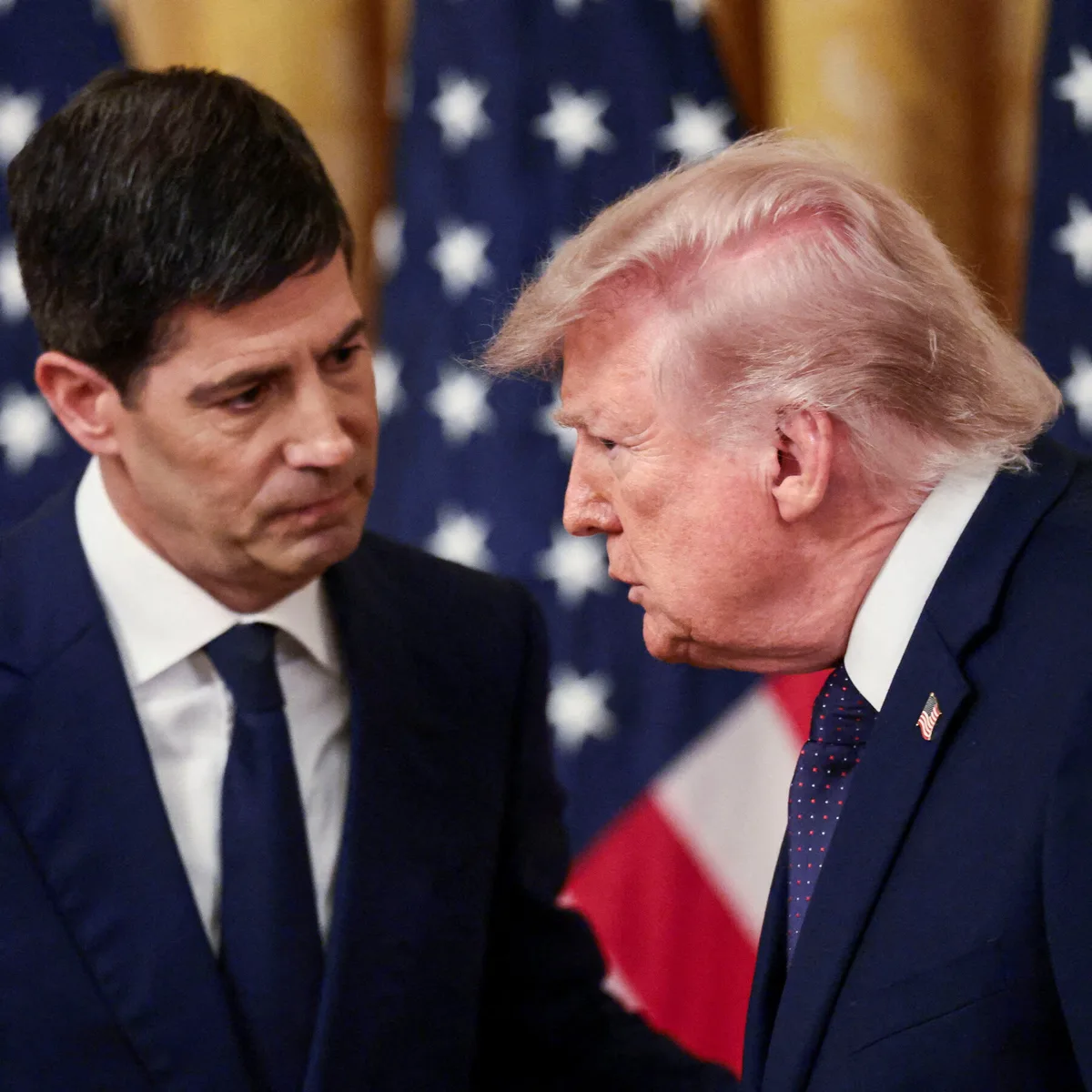
At the center of the discussion is the Federal Reserve, the independent central bank tasked with balancing inflation control against employment goals. Fed Chair Kevin Warsh, who was photographed alongside President Donald Trump on the day of Trump's swearing-in ceremony, has become a prominent figure in ongoing conversations about the direction of monetary policy.
Read more Global Economy Losing Cushion as Multiple Crises Converge →
The relationship between the White House and the Federal Reserve has historically been a sensitive one, as presidents frequently prefer lower borrowing costs to stimulate growth while the central bank weighs longer-term price stability. That tension has resurfaced as high rates continue to squeeze consumers carrying credit card debt, auto loans, and home mortgages.
Economists point to a range of structural and cyclical explanations for why rates have not fallen more quickly, including persistent inflation pressures, strong labor market data, and uncertainty over federal fiscal policy. Each of those forces can independently justify a cautious approach from policymakers reluctant to ease prematurely and risk reigniting price increases.
The stakes are significant for ordinary Americans, who have faced higher costs of borrowing for several years, and for businesses weighing investment decisions in an environment of elevated financing expenses. Continue reading at NYT > Business.